

Up To 50% Off Leadout Sale
Shop Now
Holiday Gift Guide
Gifts for cyclists who’d rather be riding
Summit+ Exclusive: Extra 10% Cash Back
Shop Eligible Items
Pre-Configured Triathlon Bikes
17 results
New Arrival

Cervelo
P5 Force AXS Road Bike
2 colors
$11,000.00
New Arrival

Cervelo
P5 Ultegra Di2 Road Bike
1 color
$10,650.00
New Arrival

Cervelo
P5 Red AXS 1x Road Bike
1 color
$14,750.00
New Arrival

Cervelo
P5 Dura Ace Di2 Road Bike
1 color
$14,500.00
New Arrival

Cervelo
P-Series Ultegra Di2 Road Bike
1 color
$8,800.00
New Arrival

Cervelo
P-Series Rival AXS 1x Road Bike
1 color
$6,950.00


New Arrival

Cervelo
P-Series Force AXS 1x Road Bike
1 color
$8,900.00
New Arrival

Cervelo
P-Series 105 Road Bike
2 colors
$5,300.00
New Arrival

Cervelo
P-Series 105 Di2 Road Bike
2 colors
$6,700.00

Cervelo
P5 Force AXS Road Bike
1 color
$11,000.00

Cervelo
P5 Ultegra Di2 Road Bike
1 color
$10,650.00

Cervelo
P5 Red AXS Road Bike
1 color
$14,750.00

Cervelo
P5 Dura Ace Di2 Road Bike
1 color
$14,500.00
Gearhead Pick

Cervelo
P-Series Ultegra Di2 Road Bike
2 colors
$8,500.00

Cervelo
P-Series 105 Di2 Triathlon Bike
1 color
$6,700.00
Gearhead Pick

Cervelo
P-Series 105 Carbon Wheel Road Bike
2 colors
$5,300.00
Gearhead Pick

Cervelo
P-Series Force AXS 1x Road Bike
2 colors
$8,750.00
Related Categories
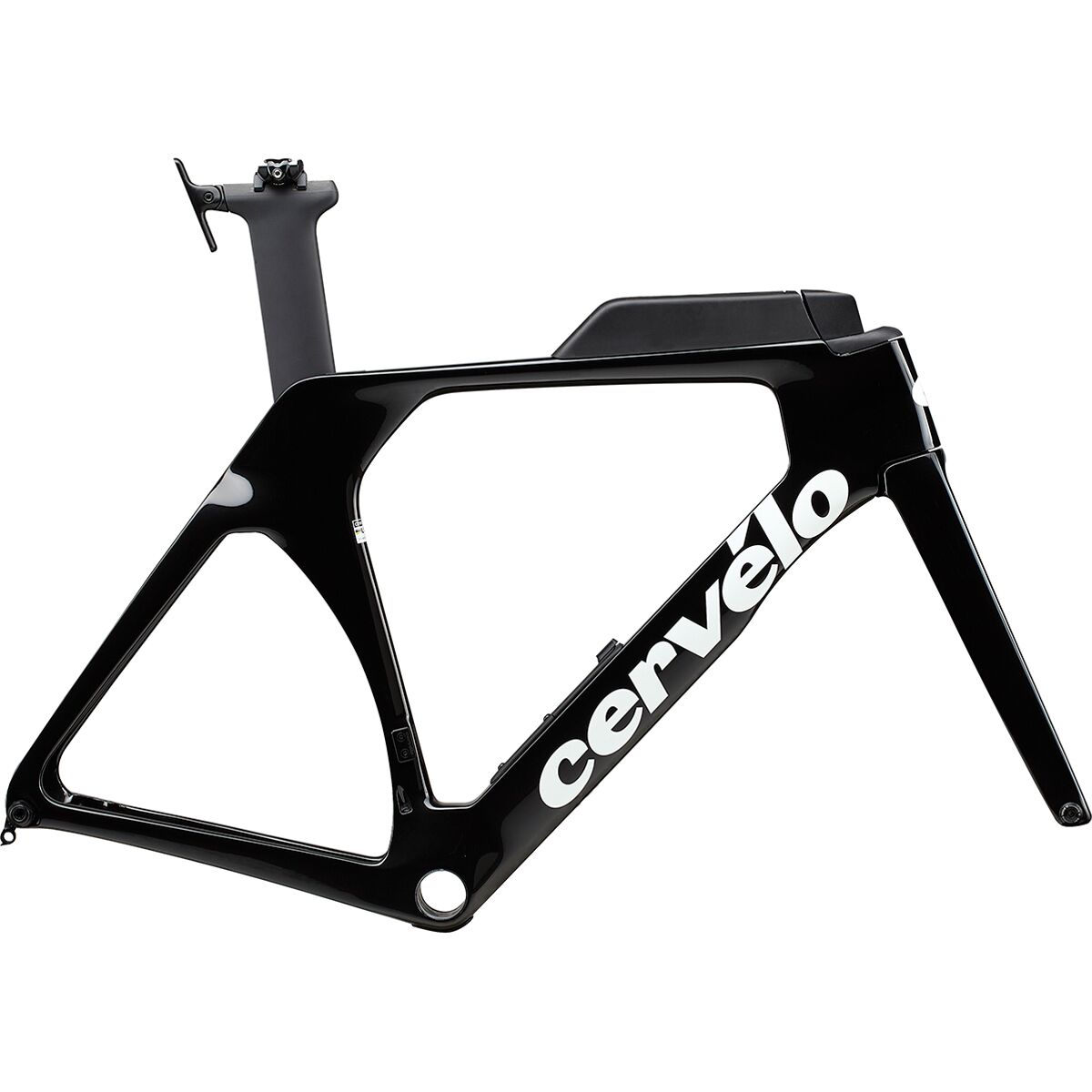
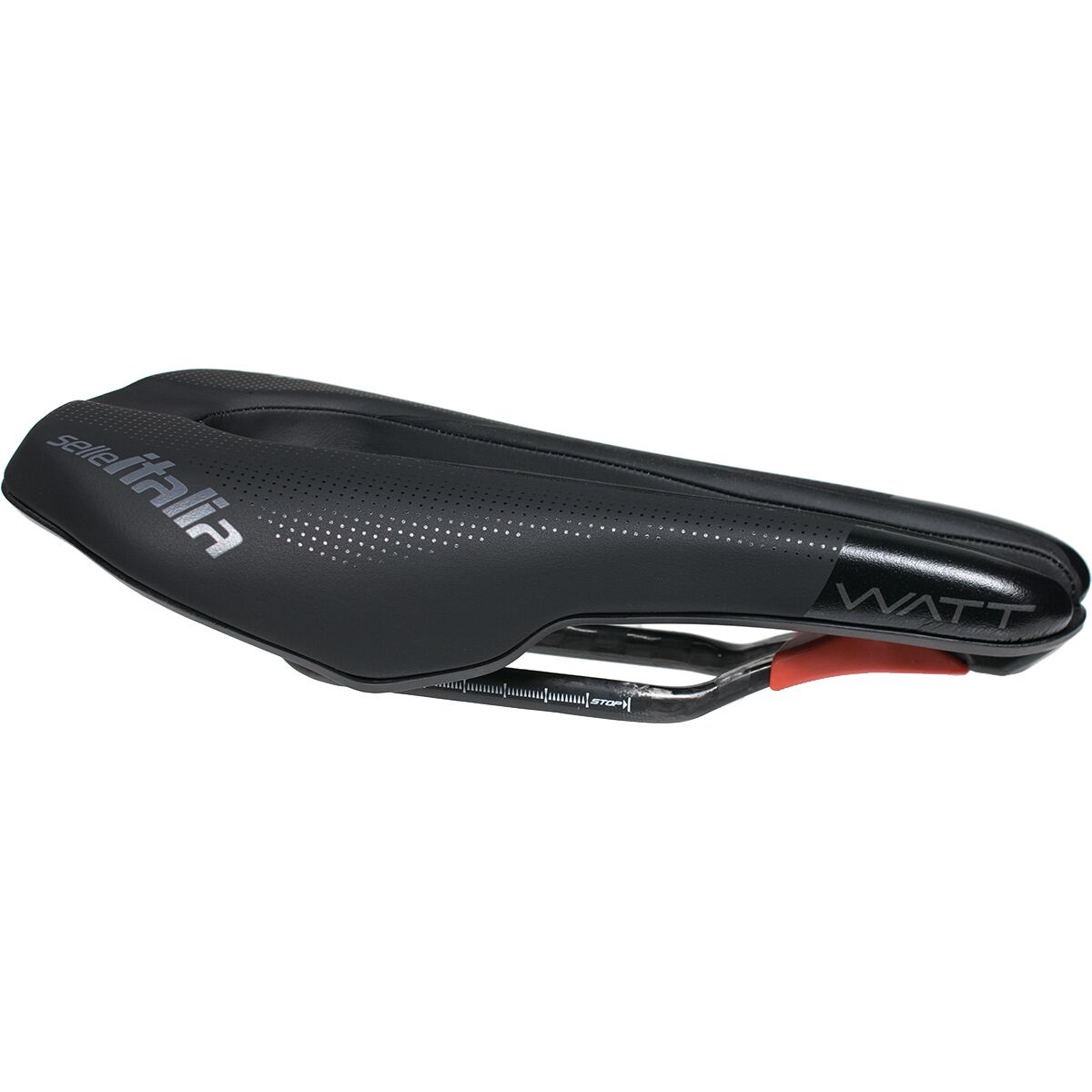


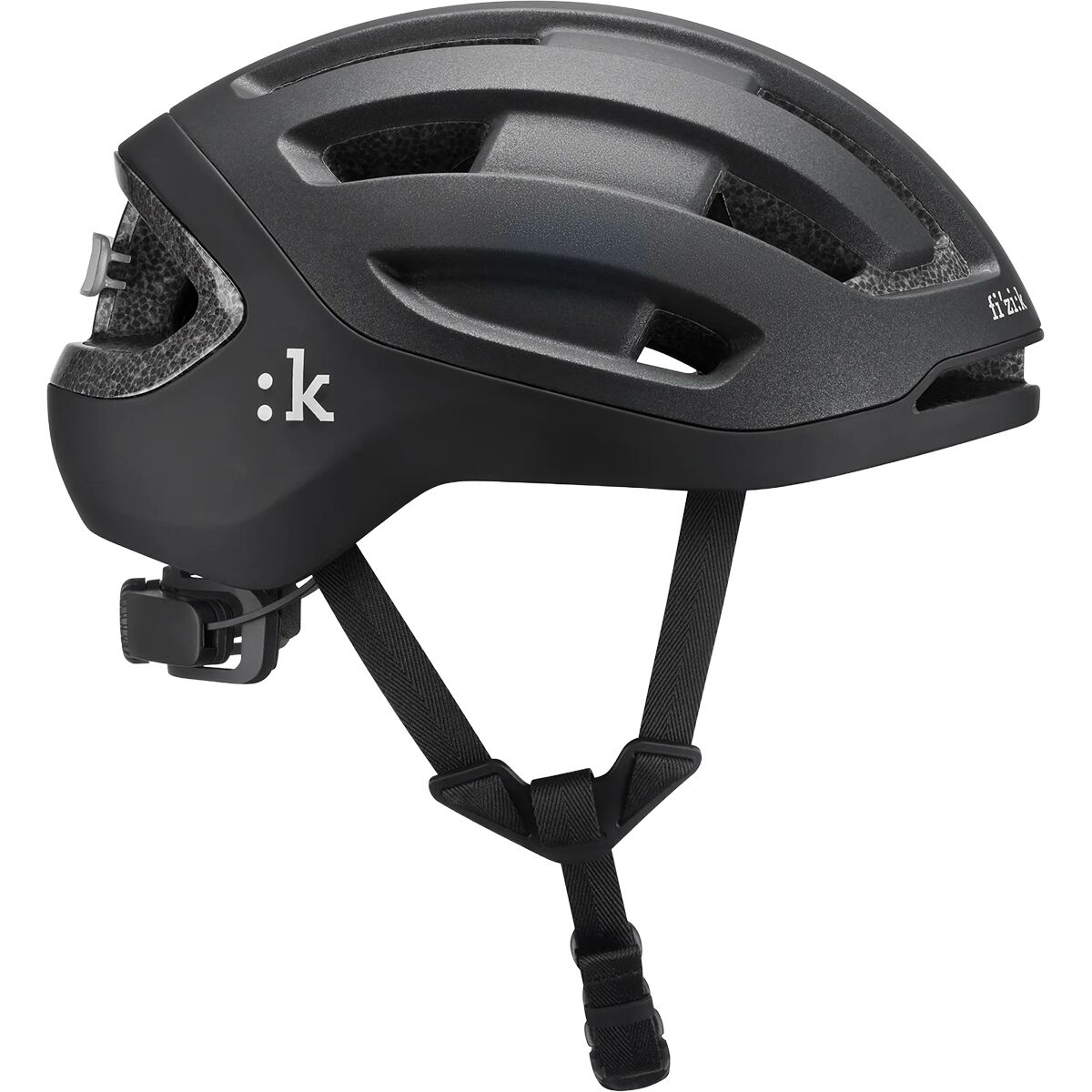
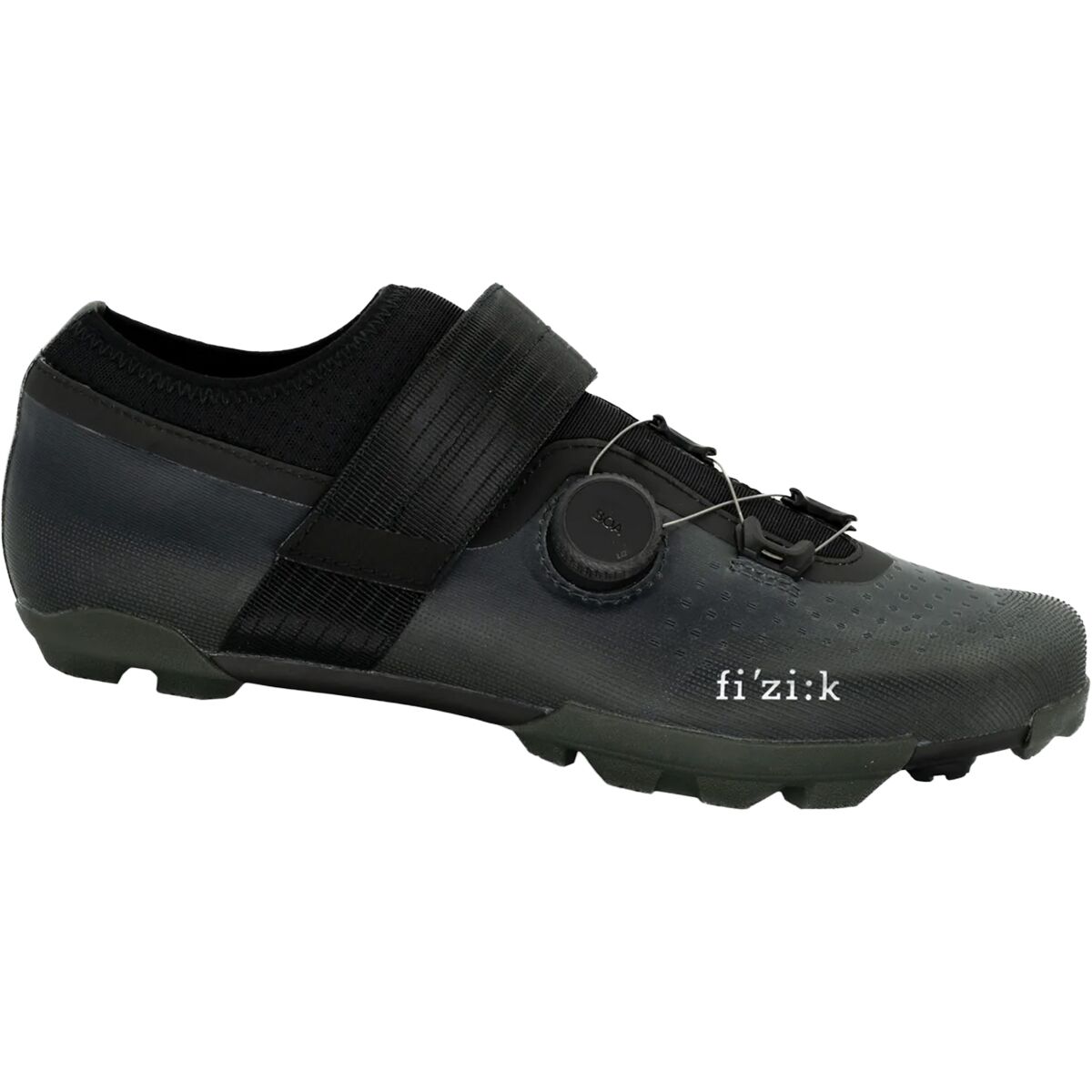
Frequently Asked Questions
What seat tube angle and stack/reach should I target when choosing a TT or triathlon bike?
Look for a steeper effective seat tube angle around 75–78° to push hips forward for power, and prioritize a frame whose stack/reach matches your torso length; adjustable cockpits are essential and you should plan a professional bike fit to dial saddle fore/aft and cleat position.Should I buy a UCI-legal TT bike or a triathlon-specific frame for non-drafting races?
Choose a UCI-legal TT (e.g., Cervélo P5, Specialized Shiv TT) for pro road time trials where rules limit tube shapes, but prefer a triathlon bike (e.g., Quintana Roo PRseries, Felt IA) for non-drafting tris—tri frames allow more extreme aero shapes, integrated storage and often more confident handling on varied courses.What wheel and tire combo is best for flat-to-rolling triathlon courses?
Aim for deep rims (50–80mm) with a stable rear (disc or deep disc rear) and 23–28mm tires—this balances aero savings with crosswind handling and rolling efficiency, and remember deep wheels plus aero frames are where you’ll recoup the biggest watt savings.How much does bike weight matter compared to aerodynamics for TT/tri events?
On flat courses aero trumps weight—complete TT/tri builds typically sit around 7–9 kg, and aero gains (often quoted like 20–50W at 40 km/h) will beat small weight savings except on long climbs.What cockpit features and adjustability should I insist on for a fast, repeatable aero position?
Look for fully adjustable armrests/extensions (fore/aft, up/down, side-to-side), long saddle rails for fine fore/aft tuning, and integrated or modular cockpits that let you iterate position; electronic shifting and an integrated power meter are useful add-ons but always finalize with a pro fit.